

Powered Air-Purifying Respirator (PAPR) Training
Training for Powered Air-Purifying Respirators (PAPR)
Powered Air-Purifying Respirators (PAPRs) are essential personal protective equipment (PPE) designed to safeguard workers from airborne contaminants in various industries, including healthcare, manufacturing, construction, and hazardous material handling. Proper training on the correct use, maintenance, and limitations of PAPRs is crucial to ensuring worker safety and compliance with occupational health standards.
Our PAPR training is designed for:
- Workers required to use PAPRs in their job roles
- Safety officers and compliance managers
- Healthcare professionals working in infectious disease settings
- Industrial workers handling hazardous substances
- Emergency responders and hazmat teams
Upon successful completion of the training, participants will receive a certificate of completion, demonstrating their competency in the safe use of PAPRs. Regular refresher courses are recommended to stay up to date with best practices and regulatory changes.
Employers are required by law to ensure that suitable training for RPE is provided before first use to all existing and new operatives, supervisors and managers and thereafter refresher training should be provided at a suitable period. Refresher training is especially important for those who wear or maintain RPE on an infrequent basis.

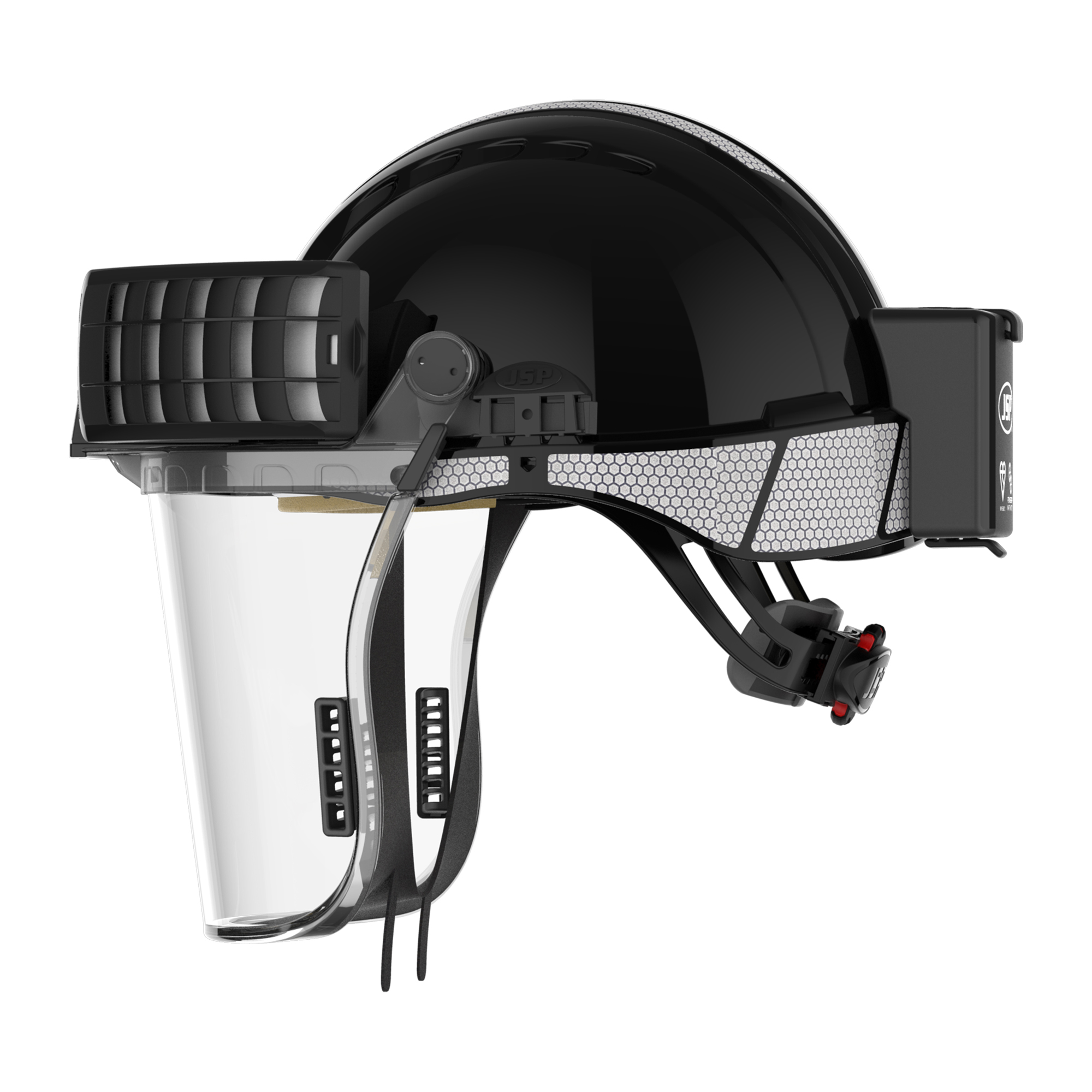
JSP Powercap Infinity
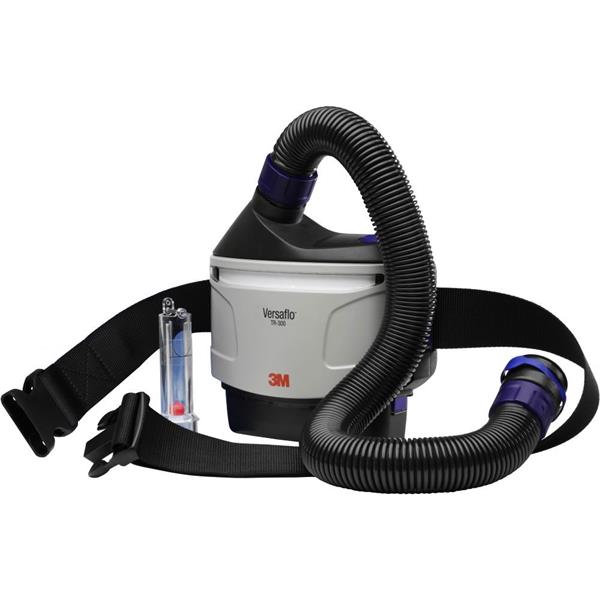
3M Versaflo
Ensuring Safety & Compliance in the Workplace
PAPRs provide respiratory protection by using a blower to force filtered air into a headpiece, reducing breathing resistance and offering a higher level of protection compared to standard respirators. However, improper use can compromise safety. Our comprehensive training covers the following key areas:
- Understanding PAPR Components – Learn about the blower unit, filters, battery packs, headgear, and airflow indicators.
- Proper Donning & Doffing Techniques – Step-by-step guidance on putting on and taking off the PAPR to prevent contamination.
- Filter Selection & Replacement – Learn how to choose the appropriate filter cartridges for specific hazards and how to replace them correctly.
- Battery Maintenance & Charging – Best practices for battery care to ensure consistent performance.
- Fit and Comfort Adjustments – Ensuring a proper fit to maximise protection and comfort during extended use.
- Cleaning & Storage – Proper decontamination procedures and storage guidelines to prolong equipment life and maintain hygiene.
- Regulatory Compliance – Overview of HSE guidance.
- Recognising Signs of Equipment Failure – Identifying and troubleshooting common issues before they compromise safety.
Need more information?